The 5 Habits of Teams That Learn Faster Than the Market.
November 25, 2025
In a tech landscape shaped by uncertainty and acceleration, the teams that stand out aren’t the biggest or the most experienced, they’re the ones that learn the fastest.
Harvard’s Amy Edmondson often says that “teams that learn together, win together.” And that principle has never been more true than in the AI era, where the rhythm of learning defines the rhythm of execution.
Over the past years working with high-growth startups and scaleups across the US, we’ve identified the same pattern again and again: Teams who outperform the market don’t necessarily know more, they adapt more.
Here are the five habits that make the difference:
1. They Turn Execution Into a Learning Engine
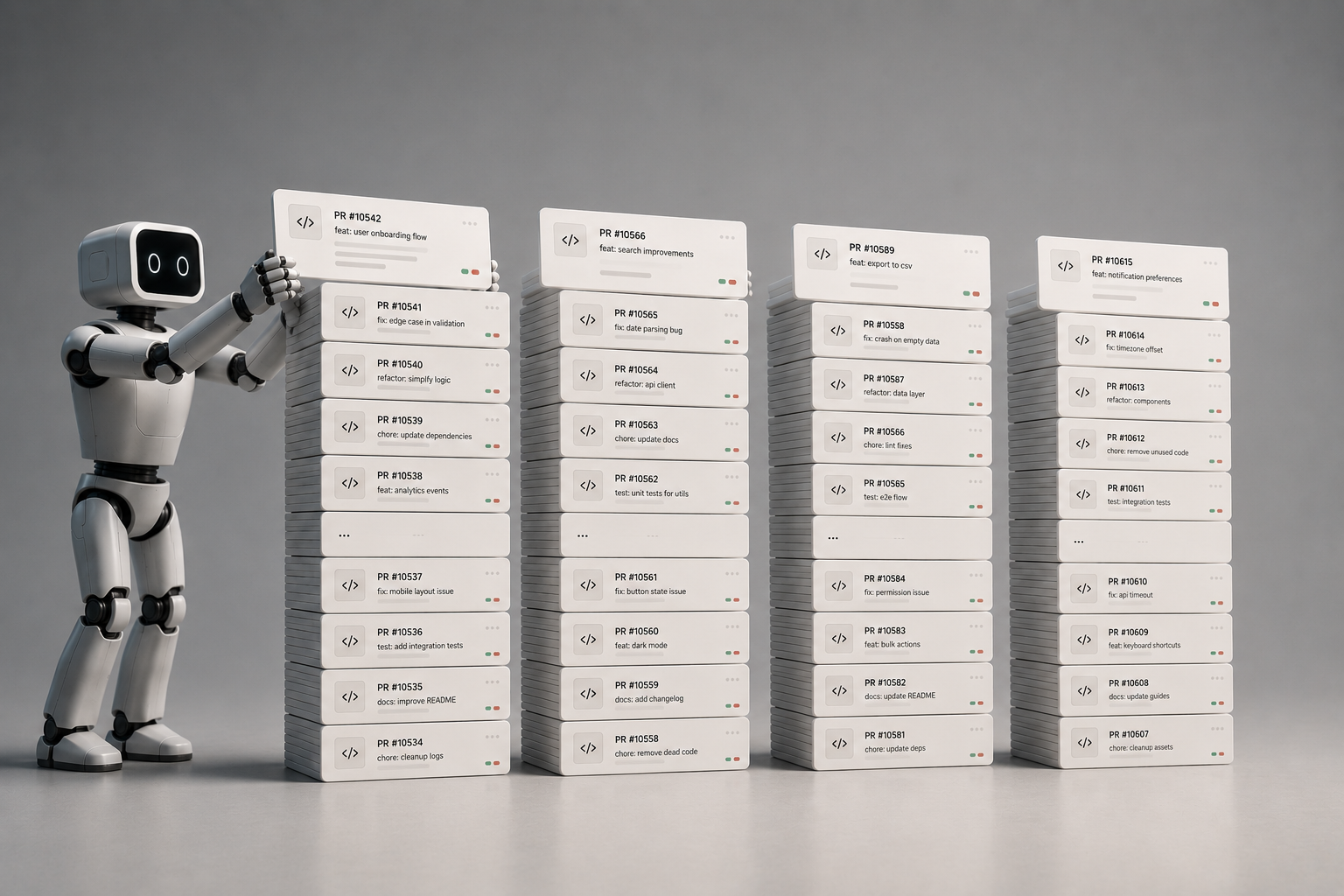
High-performing teams don’t treat a sprint as a unit of output, they treat it as a feedback loop.
They deliver
Observe
Refine
Repeat.
Everything becomes information: friction, errors, customer reactions, internal misalignment. Nothing is wasted. Nothing is ignored.
This habit creates momentum and momentum compounds.
2. They Share Context Generously
Teams don’t slow down because they lack skill. They slow down because they lack context.
The best teams remove this obstacle by making context a shared resource:
Vision is transparent
Decisions are documented
Goals are visible
Communication is intentional
With clarity, teams don’t wait for permission, they make better decisions independently.
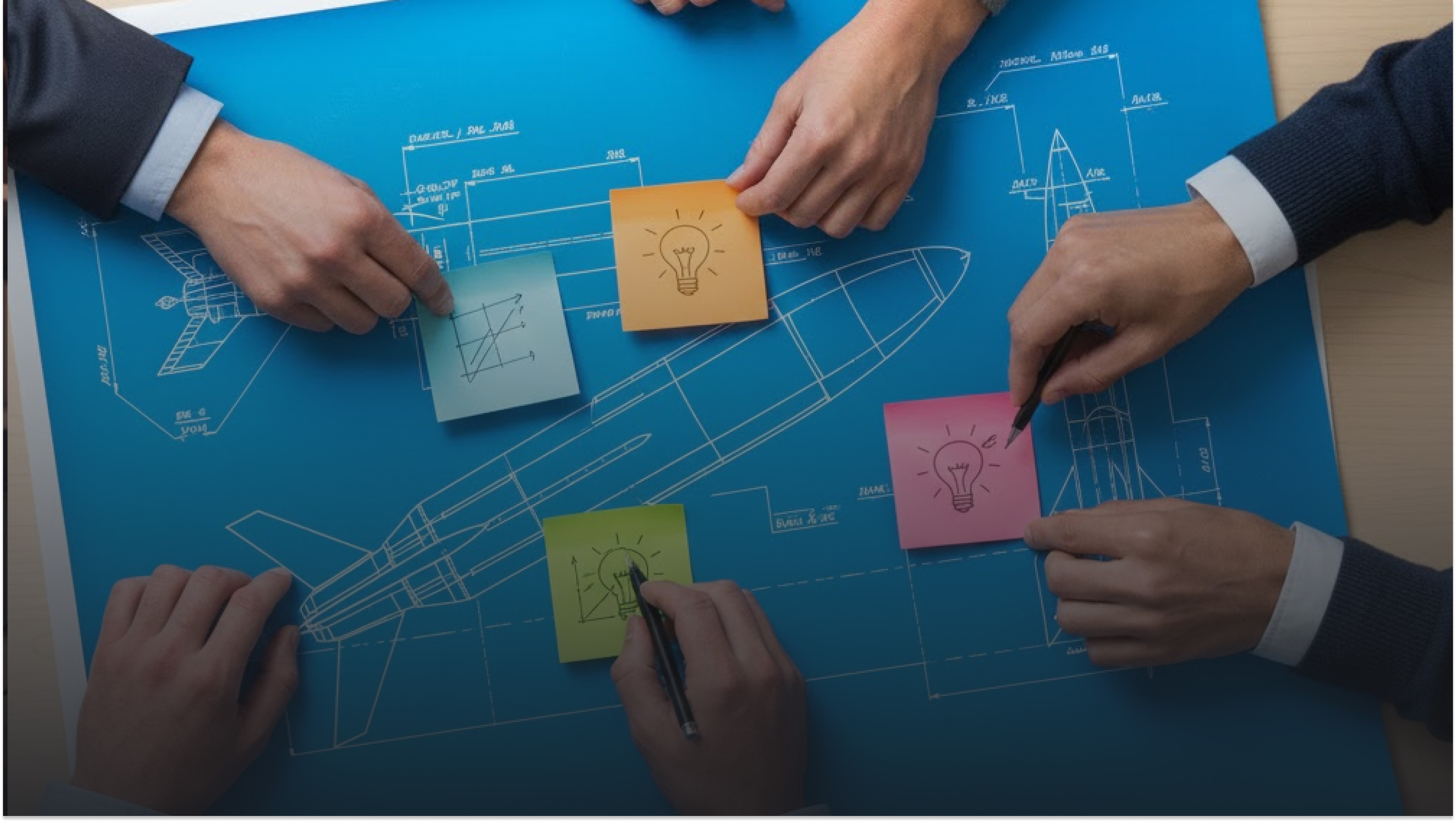
3. They Operate in Micro-Iterations
While many teams wait for the perfect moment to act, high-learning teams act to create clarity.
Small bets.
Fast validation.
Zero attachment to old assumptions.
This rhythm, short cycles, tight feedback and constant recalibration protects them from building in the wrong direction and helps them evolve faster than the market.
4. They Normalize Uncertainty Instead of Fighting It
Old leadership frameworks were designed for static environments. Modern teams operate in complexity where ambiguity isn’t a bug, it’s the native state.
Instead of fearing uncertainty, these teams ask:
What clarity do we have today?
What’s the smallest step forward?
What risk can we test right now?
Uncertainty becomes raw material for insight.
5. They Practice Collective Ownership
Accountability isn’t individual, it’s systemic. Shared ownership allows teams to:
Anticipate problems
Collaborate without fear
Run aligned and self-directed
Eevolve decisions as new data emerges
This is what Satya Nadella calls moving from a “know-it-all” to a “learn-it-all” culture. A shift that turns teams into learning organisms.
Why Learning Speed Now Matters More Than Experience
AI compresses cycles. Customer expectations evolve weekly. Markets move faster than roadmaps.
In this reality, execution without learning is waste. Experience without adaptability is outdated. Knowledge without context is irrelevant.
Teams that dominate the next decade will be the ones that:
Learn faster
Communicate better
Iterate smaller
Stay calmer in uncertainty
Think like owners
At Bowery, we like to think the future belongs to teams that learn faster than the world around them. It’s why we put focus on turning curiosity into momentum, transforming uncertainty into clarity, and turning every challenge into a chance to grow.