The New Economics of Tech Talent

For years, the talent equation in tech was simple: cost + availability + time zone. It worked… until AI arrived and rewrote the rules.
Today, the real question isn’t “How much does a developer cost?” It’s “How much value can a team generate, and how fast?” And in this new landscape, LATAM is competing head-to-head with the US.
A new paradigm: value through speed
The global tech market is shifting fast. The US still drives the demand, but faces three growing pressures:
- Specialized talent is getting more expensive.
- Time-to-hire is slowing companies down.
- AI adoption created a new gap between technical capability and real business impact.
Meanwhile, LATAM offers something the global market is valuing more and more: adaptable talent with a partnership mindset.
What’s driving LATAM’s rise
-
Time-zone alignment: Working in real time matters. LATAM can collaborate, iterate, and solve problems on the same schedule as US teams. That alone changes the speed of execution.
-
A fast-growing tech workforce: More engineers, product thinkers, and data talent are joining the market every year, many already trained in global environments and experimenting with AI tools from day one.
-
Stronger English and global culture: Language and culture used to be a barrier. Not anymore. LATAM talent integrates faster, communicates clearly, and adapts to global team dynamics with ease.
-
Nearshoring is evolving: Companies are no longer looking for vendors. They’re looking for strategic partners, teams who understand product, context, and accountability. And LATAM is stepping into that role naturally.
-
Product mindset & ownership: The most valued developers today don’t just “complete tasks.” They think like owners, anticipate risks, and understand the business behind the code. This mindset (once unique to startups) is now a regional strength.
The skills shaping the future of talent
The future won’t be defined only by technical skills. The chart below makes it clear: by 2030, the fastest-growing skills mix AI, creativity, leadership, empathy, and adaptability.
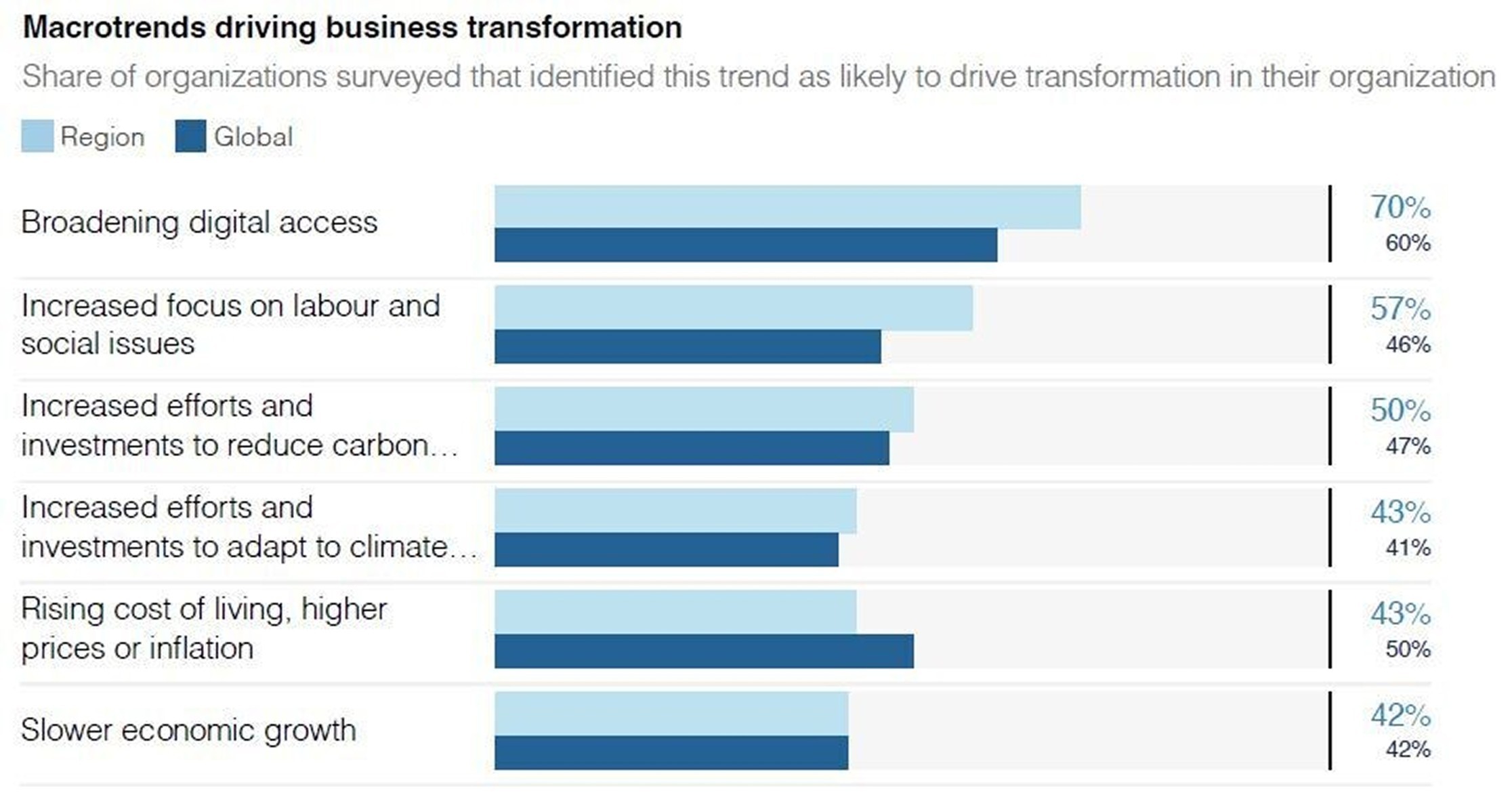
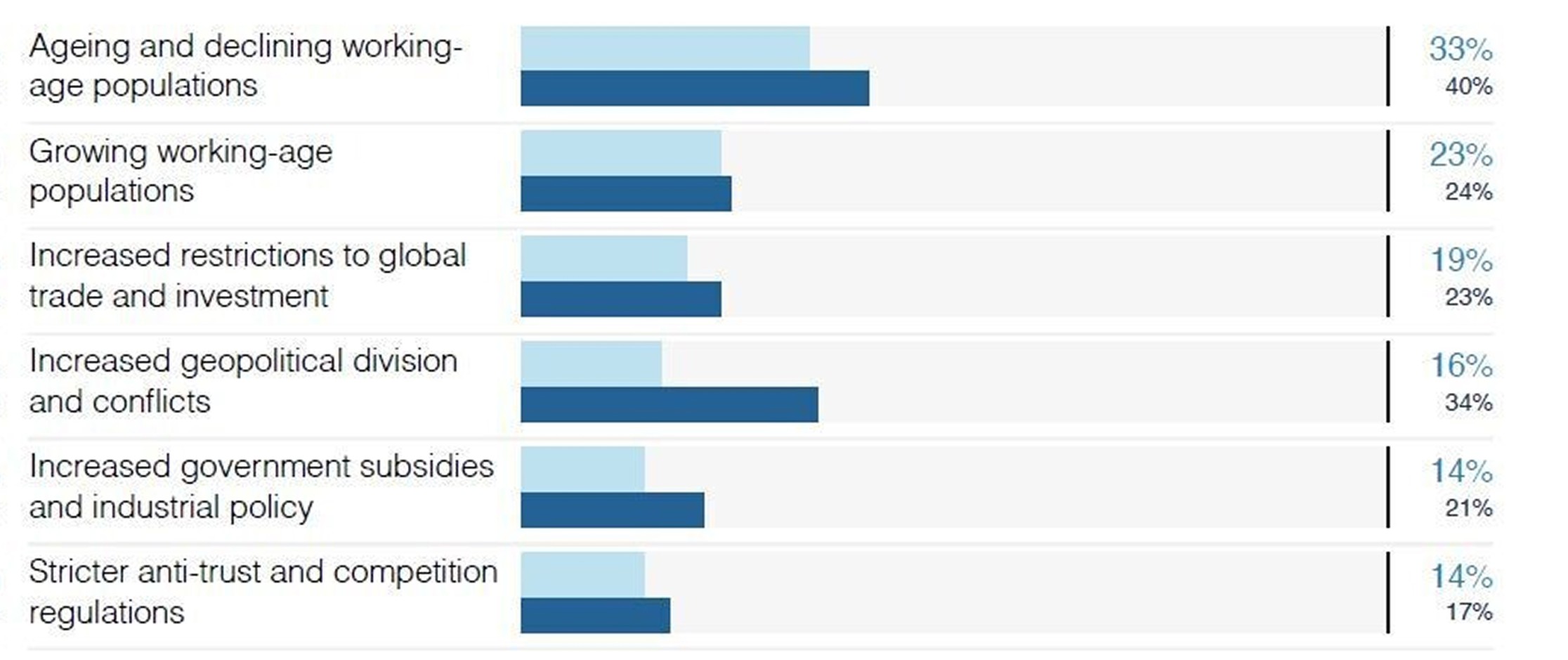
Image: World Economic Forum - Future of Jobs Report 2025
Some highlights:
- AI & Big Data – 100% expected growth
- Creative Thinking – 94%
- Technological Literacy – 88%
- Leadership & Social Influence – 88%
- Empathy & Active Listening – 81%
- Resilience & Agility – 75%
And this trend is even more pronounced in Argentina, where the demand for creative thinking, leadership, resilience, and adaptability is growing faster than the global average.
It’s just a strong signal: LATAM isn’t just providing talent, it’s developing the exact skills the global market needs most.
The new economics of talent
AI leveled the playing field. And in this new economy, the real advantage isn’t location or cost, it’s collective intelligence:
- Teams that learn faster
- Cultures built on clarity and trust
People who understand product impact, not just tasks
LATAM talent isn’t competing on price anymore. It’s competing on learning speed, adaptability, and the ability to collaborate deeply with business and product teams.
At Bowery, we believe talent isn’t defined by geography, it’s defined by the ability to learn, adapt, and build together. And LATAM is setting the pace.
Not sure where your situation fits?
Talk to our AI Architect. It'll assess your situation and tell you what makes sense — even if that's not Bowery.