IA
Why Your Software Should Be Thinking.
March 9, 2026
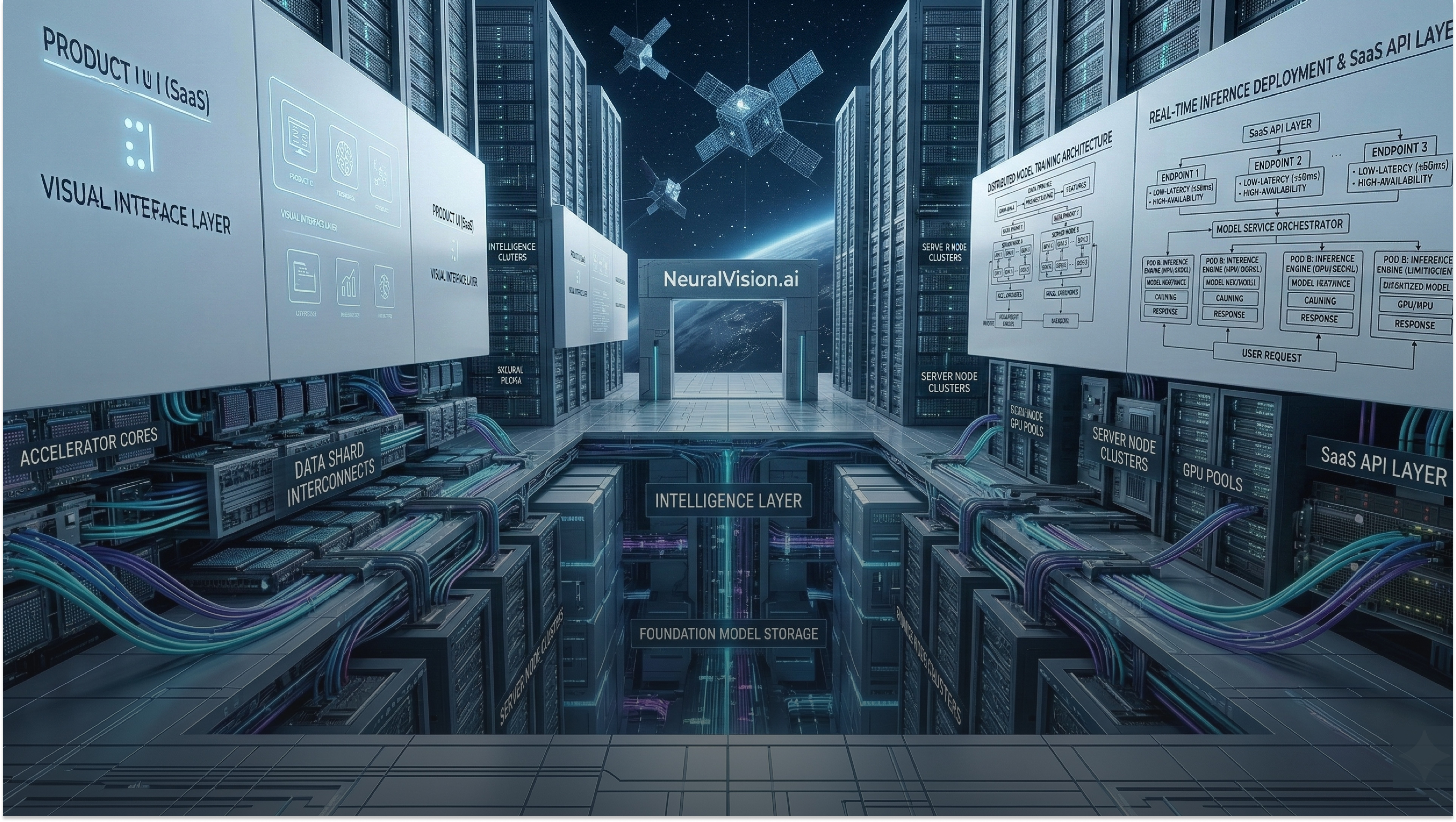
What if the next competitive advantage in software isn’t another feature, but intelligence embedded in the system itself?
For years, software has been designed primarily as a tool: something users operate to execute workflows, analyze information, and make decisions. The system stores data, processes requests, and presents results. Judgment happens outside the software, in the minds of the people using it.
But that boundary is beginning to shift.
Across many of the digital products being built today, software is slowly evolving from an operational tool into something closer to an intelligence layer. Systems are starting to surface signals, interpret patterns, and generate insights that previously required manual analysis.
This doesn’t remove human judgment from the process. But it fundamentally changes the environment in which decisions are made. And that shift is quietly redefining what modern software is meant to do.
From features to embedded intelligence
What we’re increasingly seeing is that the most interesting digital products are no longer defined by the number of features they ship, but by the intelligence they embed.
Instead of asking users to interpret complex datasets, systems are starting to surface patterns and insights automatically. Operational tools detect anomalies before teams notice them. Interfaces generate recommendations rather than simply displaying information.
This evolution is not theoretical. According to McKinsey’s 2024 State of AI report, more than 65% of organizations are already using generative AI in at least one business function, and many are embedding these capabilities directly into core workflows and products.
The shift is clear: software is becoming less about interfaces and more about intelligence.
The move toward system-level intelligence
This transition becomes even clearer when looking at how AI adoption is evolving inside organizations. Early implementations focused on isolated capabilities: code assistants, chatbots, or small automation tools.
But the real impact begins when intelligence becomes part of the system itself.
Gartner highlights this shift in the model below, showing how AI moves from supporting individual tasks to becoming embedded across entire workflows and decision systems.
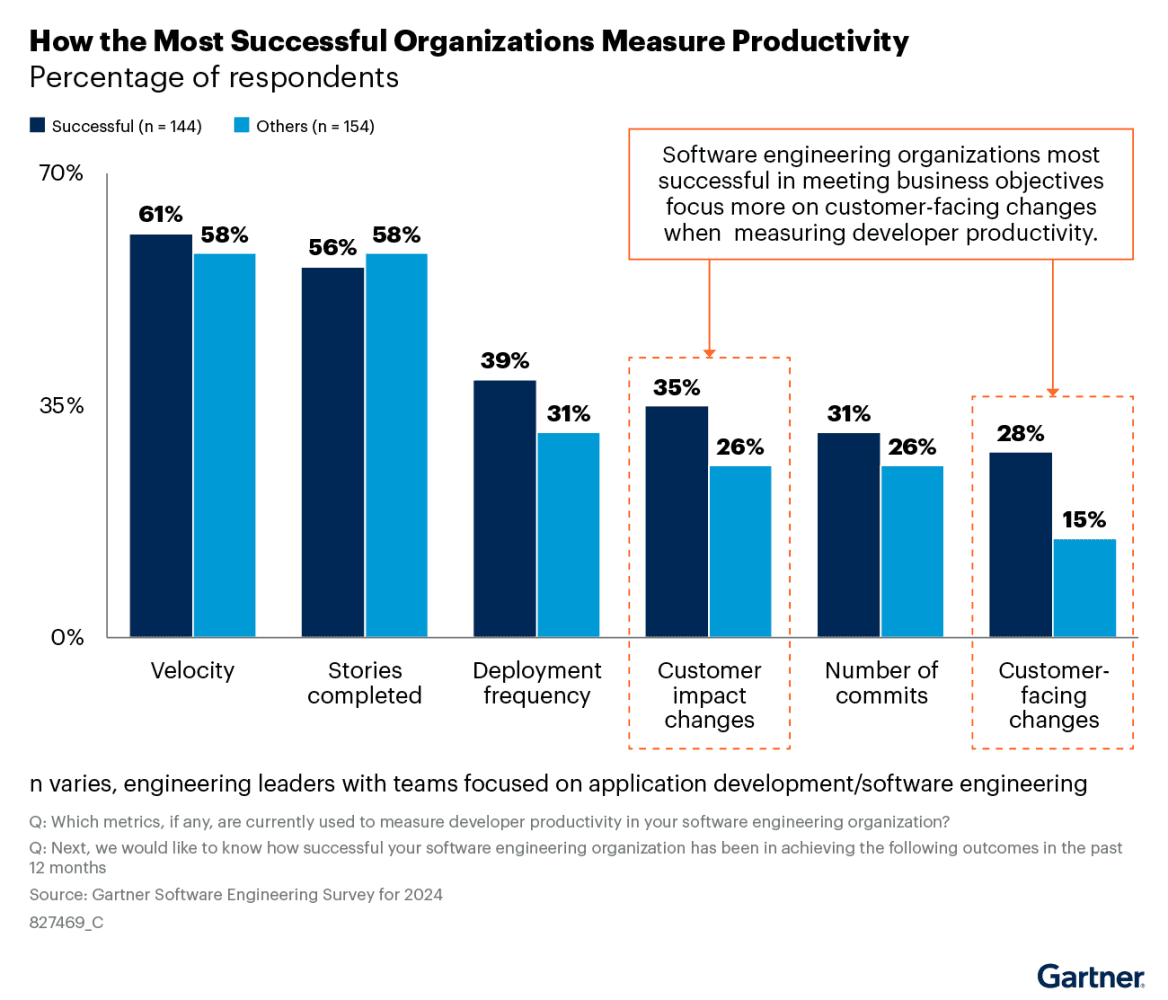
How to capture AI-Driven Productivity Gains Across the SDLC - Gartner, Inc.
The implication is important: the value of AI compounds when it becomes infrastructure rather than a feature. Individual tools create efficiency, but integrated intelligence reshapes how organizations operate.
When software begins to participate in decisions
At Bowery, we’ve seen this shift emerge gradually inside the companies we work with. It rarely starts as a large transformation initiative. More often, it begins with practical questions.
How can we reduce the time required to interpret operational data?
Can the system surface signals that matter earlier?
Can insights be generated automatically instead of manually reviewed?
Individually, these improvements feel incremental. But together, they begin to transform the nature of the product. What once functioned primarily as a workflow platform slowly becomes a system that contributes to how decisions are made.
A new layer of digital infrastructure
What we’re witnessing isn’t simply the next stage of SaaS. It’s the gradual emergence of a new kind of digital infrastructure.
Software that doesn’t just execute workflows, but observes patterns, interprets signals, and contributes to the way organizations think. Human judgment remains essential. Systems can surface insights and highlight patterns, but the strategic interpretation of those signals still belongs to people.
Which is why the companies navigating this shift successfully tend to combine two capabilities: strong technological foundations and strong leadership judgment.
The challenge we face today
The challenge organizations face today goes beyond building powerful software. The real question is no longer only what a product can do, but how it contributes to the way a company thinks and makes decisions.
As intelligence becomes embedded across systems, the opportunity (and the responsibility) is to design digital infrastructure that sharpens judgment, surfaces the right signals, and helps organizations navigate complexity with greater clarity.
The future of software isn’t just execution. It’s intelligence embedded in the system.